

Levels of Engagement
It is said that when you are one step ahead of the crowd, you are a leader. When you are two steps ahead, you are a visionary. When you are three steps ahead, you are a martyr.
One step ahead
C4L is introducing aftermarket kits for “on-board hydrogen.” This feature does come on some factory-built automobiles, so the technology is tested and proven. But we are among the first to introduce a “retrofit” kit that can improve the performance of conventional diesel and petrol automobiles.
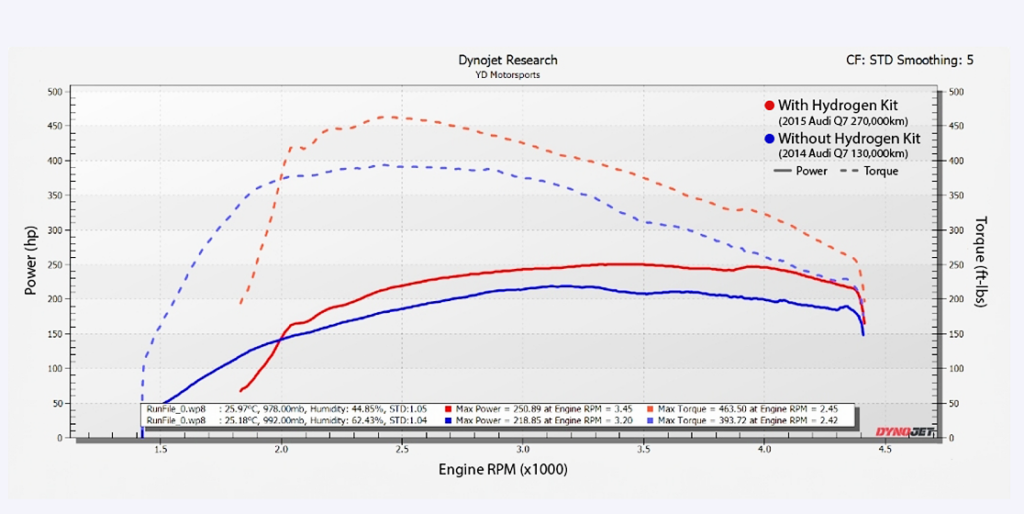
This opens the gate to the use of Biofuels. Simply because the more complete combustion of motors that breathe in hydrogen-rich air lends itself to any oil – canola, sunflower, peanut, palm nut, hemp, you name it. These oils are “additives” to an existing mix of diesel and petrol. They add value, by decreasing your vehicle operating costs significantly.
In 2025, C4L is also introducing another aftermarket kit – for the “electric hybrid”. Again, the technology is nothing new. What is new is retrofitting it onto existing vehicles.
Check out these YouTube videos!
Here are some examples of this tested and proven technology on factory-built models:
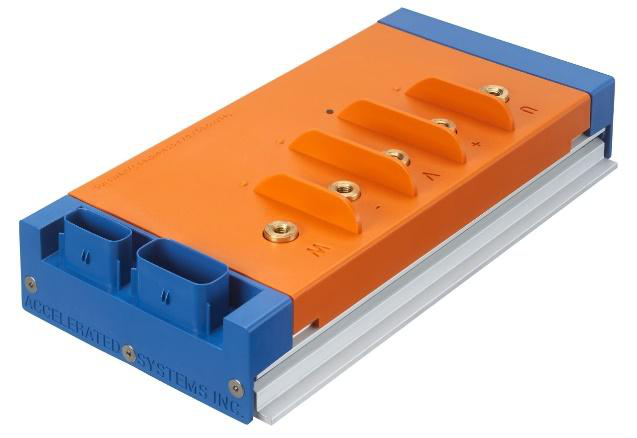
“This universal programmable controller allows us to make this kit available to all vehicles with our custom software and app.” – Hydrox Systems Canada.
Two steps ahead
Sometimes we need a vision or an ideal to strive for. In that sense, the Safricar dialogue will be worth it, even if one is never built.
From dinner-table talk to the science class in school, South Africans should be envisioning a profile of a car that looks great, that performs well, that leaves only a trail of water vapour behind, and that is affordable to operate. Lowering fuel costs by lowering imports is one aspect. Longer engine life is another.
In this sense, the Safricar is an ideal, a profile, a template… One that is dreamed up in South Africa, not in Japan, India, Germany or America. Let the conversation begin on this website’s blog.
Henry Ford was a hemp farmer, so he knew well what farmers needed in a sturdy and reliable cargo carrier. While in town, he heard the complaints of people about horse manure in the streets, and piled up in public parts after the streets were cleaned. There was a public outcry to replace the horse and buggy with better urban transit. Henry Ford quipped that what people wanted was “a faster horse that eats less hay and poops a lot less”.
All conversations – about what people want – come around to Jobs. Unemployment rates are too high, and more especially among youth. So a Safricar is need above all to create employment. As long as we are driving Toyotas, Mahindras, BMWs and Fords, we are depending on imports that creat jobs elsewhere. It is time to connect the dots…
Three steps ahead
It is high time to design and build a Safricar that will serve the needs of cargo, passengers and families, which boosts employment especially among youth.
But in dreaming dreams like this, it is easy to become a martyr. Here are some excuses:
“It’s been tried before and failed.” Visit the Failing Forward page of this website.
“Robots build better cars than humans.” You don’t need to be a neo-Luddite to disagree!
“Maybe we can assemble cars, but won’t we have to import the components?” Let’s respond to this is the design of the Safricar. Let’s start with what the people know, and build with what the people have.